Educational briefs
Malaria research: tracing the parasite from entry to blood stageRespiratory viruses: transmission and tissue responseAntimicrobial resistance: mechanisms under investigationMalaria research: tracing the parasite from entry to blood stageRespiratory viruses: transmission and tissue responseAntimicrobial resistance: mechanisms under investigation
Jeradin / Pathogens

Pathogen Mapping

Pathogen report

MalariaParasiteEducational brief

Plasmodium falciparum: entry, spread and impact

Malaria parasites move through distinct stages in the liver and blood. The body illustration follows that sequence automatically.

Transmission
Infected Anopheles mosquito
Early multiplication
Liver cells
Blood stage
Red blood cells

Disease progression

  1. EntryMosquito bite
  2. Liver stageParasites multiply
  3. Blood stageRed blood cells infected
  4. ResponseImmune defence

Organ connections

  • Red blood cell infection can contribute to fever and anaemia.
  • The spleen helps filter infected cells from the blood.
  • Severe infection may affect several organs; individual risk is not shown here.

Research focus

Vaccine development, parasite biology and treatment resistance are distinct research questions. No live outbreak counts or measured organ-risk scores are included.

Read full report
Virtual HumanEducational illustration · Not clinical imaging
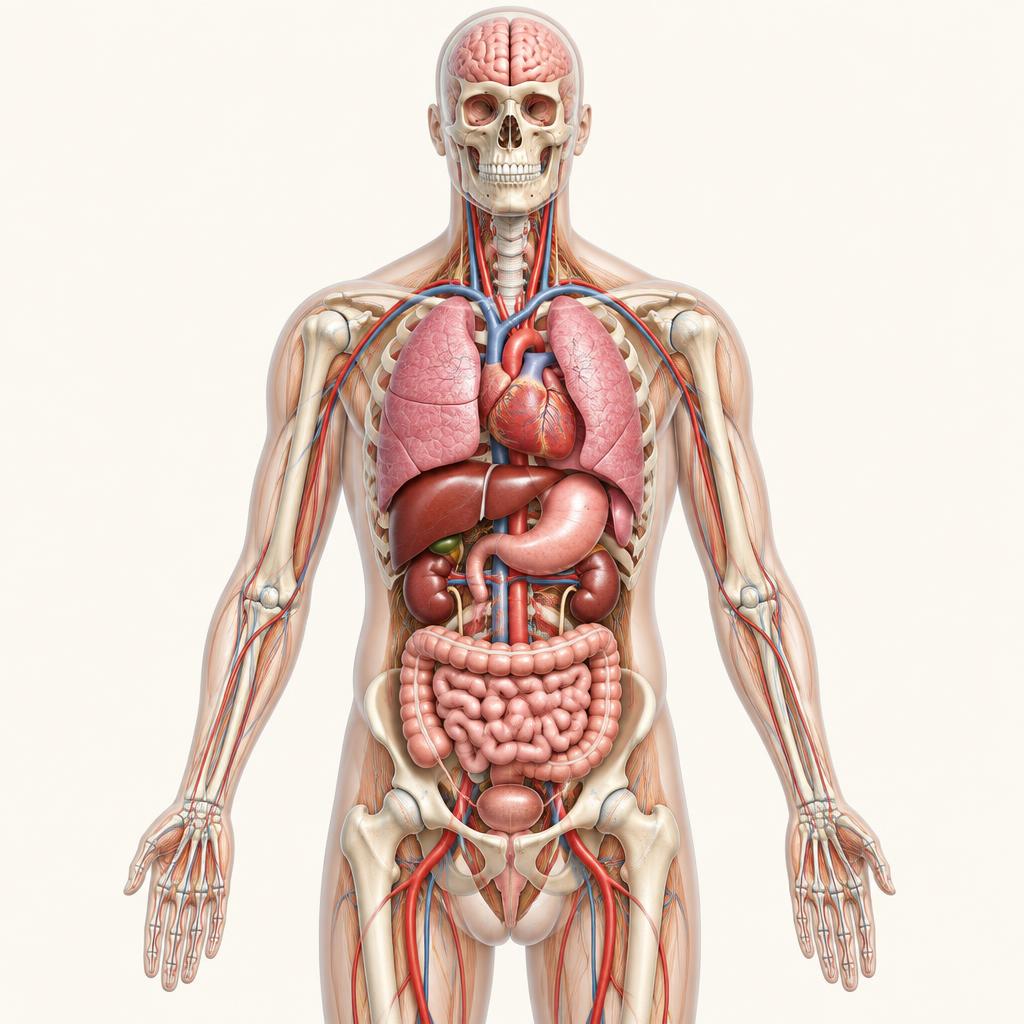
Jeradin human anatomy atlas with natural organ colours
Entry through skin
01 · Transmission

Entry through skin

Skin is a protective barrier.

An infected Anopheles mosquito can introduce malaria parasites through a bite. The marker represents an entry site, not an organ injury.

Biological pathways

Parasite replicationRed blood cell invasionImmune response

Incoming updates

MalariaBrief 01

Malaria research: tracing the parasite from entry to blood stage

An educational brief connecting mosquito transmission, the liver stage, blood-cell infection and immune response.

VirologyBrief 02

Respiratory viruses: transmission and tissue response

A pathogen brief covering entry through the airways and the local immune response. Findings depend on the specific virus.

MicrobiologyBrief 03

Antimicrobial resistance: mechanisms under investigation

A reading brief on how microbes evade treatments and how resistance is studied across populations.

Ask Jeradin AIResearch and education only. Not medical advice.