
Educational briefs
Malaria research: tracing the parasite from entry to blood stageRespiratory viruses: transmission and tissue responseAntimicrobial resistance: mechanisms under investigationMalaria research: tracing the parasite from entry to blood stageRespiratory viruses: transmission and tissue responseAntimicrobial resistance: mechanisms under investigation
Jeradin biomedical assistant

Jeradin AI Assistant

Your biomedical research companion

Biomedical robot holding an educational hologram

Hello, researcher

Ask about biomedical research, diseases and the human body.

Explore evidence. Understand biology. Connect the findings.
Educational conversationResearch education · Not medical advice
Show me the effect of malaria on the human body

Jeradin

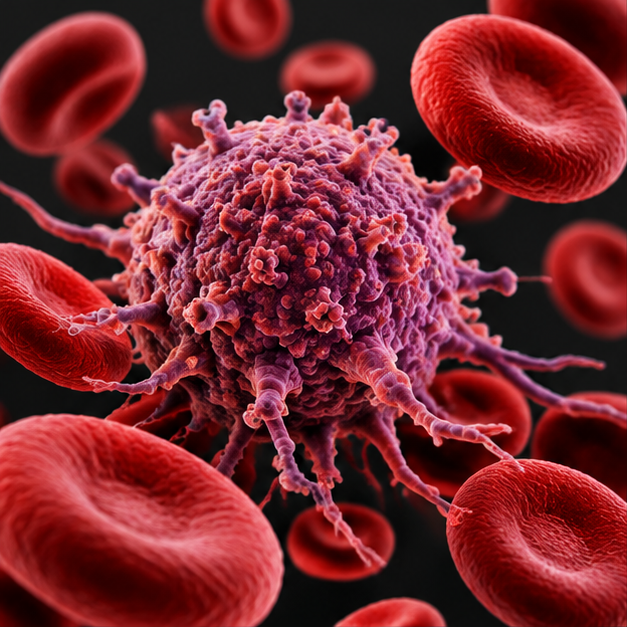
Malaria parasites enter the body through the bite of an infected mosquito. They first multiply in liver cells, then infect red blood cells. Infection can cause fever and anaemia; severe malaria can affect several organs. The spleen helps filter infected blood cells.

Illustrative blood cells, not a malaria microscopy result
Illustrative artwork

Key findings

  • Liver stage precedes blood-cell infection
  • Blood-cell infection can contribute to anaemia
  • Severe malaria needs urgent medical care

Related resources

Pathogen mappingExports not connected
Show on human model
Research and education only

Live AI replies, downloads and saved conversations are not connected yet.